
Call: 08045802789
 Send Inquiry
 Send Inquiry
Textile Weaving Reed
Price 1000 INR/ Piece
MOQ : 10 Pieces
Textile Weaving Reed Specification
- Part Type
- Reed/Spare Part
- Noise Level
- Low db
- NO. Of Hole
- As per reed type (customizable)
- Size
- Customizable as per requirement
- Thermal Conductivity
- Stable under operational temperatures Watt/Centimeter/C (W/(cm.C)
- Tensile Strength
- High tensile strength for industrial use Megapascals (MPa )
- Surface Finish
- Smooth Polished
- Diameter
- As per customer specification Millimeter (mm)
- Hardness
- Optimized for durability
- Mounting Type
- Standard/Custom Fittings
- Features
- Corrosion resistant, Smooth dent finish, High strength
- Automation Grade
- Manual and Automatic compatibility
- Thread Type
- Custom as per specification
- Product Type
- Textile Weaving Reed
- Material
- High Quality Stainless Steel and Brass
- Textile Machine Type
- Weaving Looms
- Spare/Component Type
- Reed
- Usage
- For weaving yarns in textile looms
- Speed
- Supports high-speed weaving applications RPM
- Dimension (L*W*H)
- Customizable Millimeter (mm)
- Weight
- Depends on size and specification Kilograms (kg)
- Temperature Resistance
- Up to 250°C
- Lubrication Required
- No (maintenance free)
- Edge Protection
- Brass/PVC lined for safety and longevity
- Packing Type
- Wooden case or export standard packing
- Reed Density
- Up to 100 dents per inch or as per specification
- Finish Type
- Electropolished for rust-resistance
- Dent Material
- Hardened Stainless Steel
- Tolerance
- +/- 0.02 mm
- Application
- Suitable for cotton, silk, synthetic fiber weaving
Textile Weaving Reed Trade Information
- Minimum Order Quantity
- 10 Pieces
- Payment Terms
- Cash Advance (CA), Cash in Advance (CID), Cheque
- Supply Ability
- 200 Pieces Per Week
- Delivery Time
- 5 Days
- Main Export Market(s)
- Asia, Australia, Central America, North America, South America, Eastern Europe, Western Europe, Middle East, Africa
- Main Domestic Market
- All India
About Textile Weaving Reed
Our organization is actively engaged in providing an extensive assortment of Textile Weaving Reed which is widely demanded in the weaving of yarn or thread into textiles. Our offered range is widely used in the weaving of yarn or thread into textiles. The offered products can be obtained in bulk quantity within stipulated frame at reasonable rates for our esteemed clients. The offered Textile Weaving Reed is completely checked before delivering it to our esteemed customers.
Precision Engineering, Reliable Performance
Constructed with high-quality hardened stainless steel and brass, this weaving reed delivers outstanding strength and corrosion resistance. The electropolished finish ensures a smooth surface, minimizing friction and maintaining consistent yarn alignment during weaving. With a precision tolerance of +/-0.02 mm, each reed is custom-built to meet rigorous industry standards.
Customizable Solutions for Every Loom
Available in customizable sizes and dent densitiesup to 100 dents per inchthis reed adapts to diverse weaving requirements. Whether you operate manual or automatic looms, the mounting options and thread types can be tailored to your machinery, providing flexibility to switch between cotton, silk, or synthetic fiber weaving applications effortlessly.
Safety and Durability Guaranteed
To enhance safety and durability, the reed features edge protection using brass or PVC linings. Its stable thermal conductivity and high tensile strength ensure stable operation, even at elevated temperatures of up to 250C. The low maintenance, noise level, and robust packing make it an ideal long-term investment for textile factories seeking reliable and consistent output.
FAQs of Textile Weaving Reed:
Q: How is the weaving reed installed on different textile looms?
A: The reed is available with standard and customizable mounting fittings and thread types, making it compatible with a wide range of manual and automatic weaving looms. Installation instructions and technical support are provided to ensure correct fitting onto your specific textile machine.Q: What materials can this weaving reed handle?
A: Designed for versatility, the weaving reed is suitable for cotton, silk, and synthetic fibers. Its smooth, corrosion-resistant finish supports high-speed weaving applications across various textile materials without damaging the yarn.Q: What are the benefits of the electropolished finish and brass/PVC edge lining?
A: The electropolished surface offers enhanced rust and corrosion resistance, resulting in a longer product lifespan and reduced maintenance. Brass or PVC edge protection provides safety during handling and prevents premature wear, ensuring a smooth weaving process.Q: When should the reed be replaced or serviced?
A: Thanks to its maintenance-free, hardened stainless steel construction and electropolished finish, this weaving reed does not require regular lubrication or servicing. It should be replaced only when visibly damaged or at the end of its operational life, which is extended due to its optimized durability.Q: Where are these weaving reeds manufactured and can they be exported globally?
A: These weaving reeds are manufactured in India, meeting international quality standards. They are distributed, exported, and supplied globally, packed in wooden cases or export-standard packaging to ensure safe transit.Q: What customization options are offered for reed density, size, and holes?
A: You can specify reed density (up to 100 dents per inch), size (length, width, height), and number of holes, tailored as per your looms requirements. Diameter, thread type, and other parameters can also be custom-configured to suit various weaving processes.Q: How does this weaving reed enhance production efficiency in textile factories?
A: With high precision, low noise, and robust corrosion resistance, the reed supports high-speed weaving, reducing stoppages and ensuring continuous, high-quality fabric production. Its stability at elevated temperatures and maintenance-free operation also improve overall factory efficiency.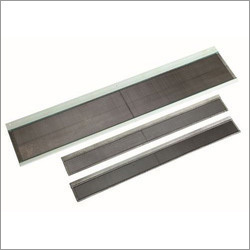

Tell us about your requirement

Price:
Quantity
Select Unit
- 50
- 100
- 200
- 250
- 500
- 1000+
Additional detail
Mobile number
Email

More Products in Textile Reed Category
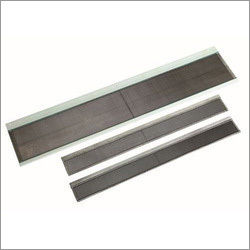
Textile Reed
Price 200 INR / Piece
Minimum Order Quantity : 10 Pieces
Spare/Component Type : Other, Reed
Features : Corrosion Resistant, Precise Construction, Long Life
Automation Grade : Manual and Semiautomatic
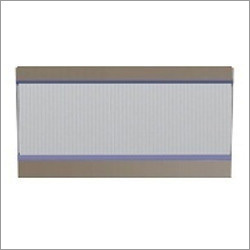
Sulzer Reeds
Price Range 750.00 - 950.00 INR / Piece
Minimum Order Quantity : 10 Pieces
Spare/Component Type : Other, Reed
Features : Corrosion Resistant, High Strength, Precise Tolerance
Automation Grade : Manual / Automatic

Contact Details
J B ENTERPRISE
GST : 24AAJFJ2682C1ZK
- L-73, Gidc Estate, Behind Water Tank, Odhav,Ahmedabad - 382415, Gujarat, India
- Phone :08045802789
 Send Inquiry
Developed and Managed by Infocom Network Private Limited.
